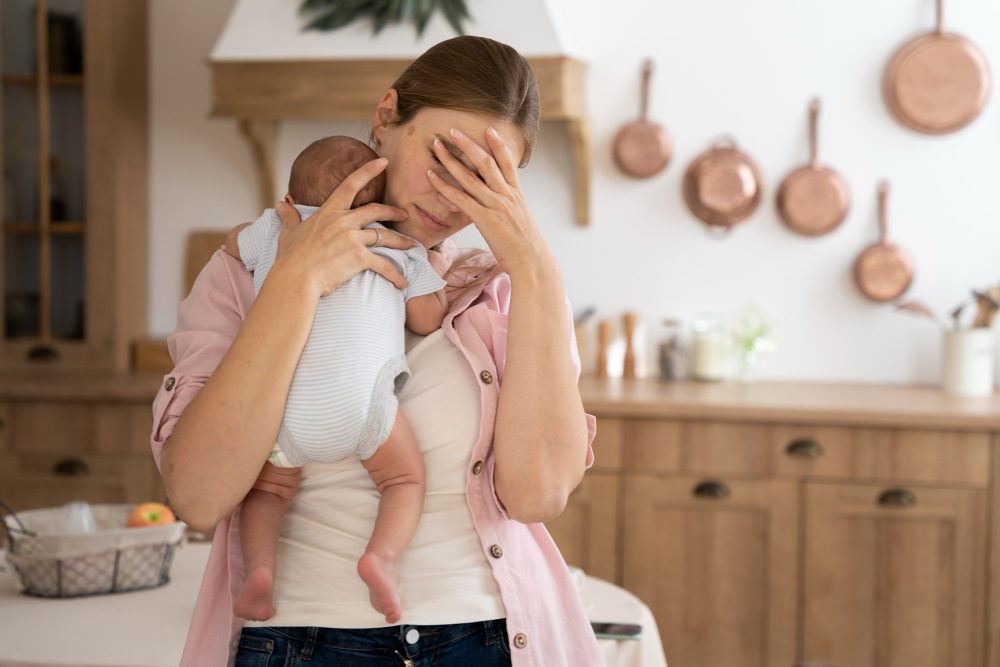
What Is Postpartum Depression?
Postpartum depression is a type of depression that can happen after childbirth. Many new mothers feel sad or overwhelmed, but postpartum depression is more serious. It can affect your mood, energy, and daily life. According to the CDC, about 1 in 8 women experience postpartum depression. Early recognition is important because it helps mothers get the right support and treatment.
Early Signs and Symptoms
Recognising early signs of postpartum depression can make a big difference. While some mood changes are normal after birth, certain symptoms may signal a problem. Watch for these signs:
If these symptoms last more than two weeks, it may be postpartum depression. Early signs of postpartum depression are sometimes missed, so it helps to talk openly with loved ones and doctors.
Causes and Risk Factors
Postpartum depression does not have a single cause. Instead, it often results from a mix of physical, emotional, and social changes. Some common risk factors include:
However, anyone can develop postpartum depression, even without these risk factors. Knowing the causes and risks can help you stay alert to early signs.
How Is Postpartum Depression Diagnosed?
Doctors diagnose postpartum depression by talking with you about your feelings and symptoms. They may use simple questionnaires to help spot depression. For example, you might answer questions about your mood, sleep, and energy. Sometimes, doctors check for other health problems that could cause similar symptoms. Early diagnosis is key, so do not hesitate to share your concerns with your doctor or nurse.
Treatment Options and Support
There are many ways to treat postpartum depression. Treatment for postpartum depression often includes:
In some cities, you can find postpartum depression help through local clinics or support groups. Ask your healthcare provider about resources in your area. With the right treatment, most mothers feel better within a few months.
Tips for Seeking Help and Supporting Loved Ones
It can be hard to ask for help, but reaching out is a strong first step. Here are some tips:
If you know someone who may be struggling, offer a listening ear. Encourage them to seek help and remind them they are not alone. Even small acts of support can make a big difference.
Prevention and Self-Care Strategies
While you cannot always prevent postpartum depression, some steps may lower your risk. Consider these self-care tips:
Remember, taking care of yourself is important for both you and your baby. If you notice early signs of postpartum depression, seek help right away.
If you or someone you know may be experiencing postpartum depression, consult a mental health professional for personalized support.